











PacerPro
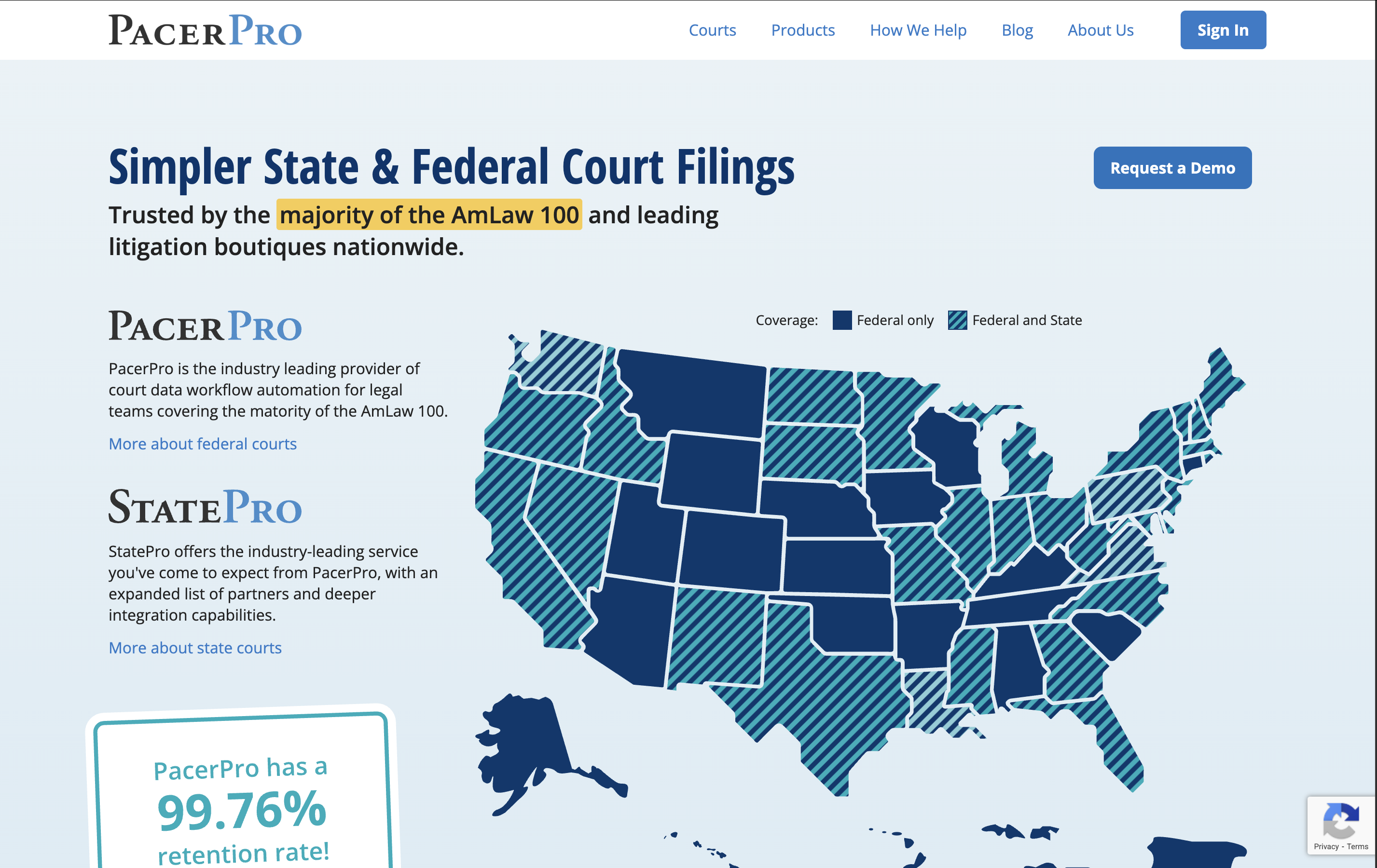
Automates legal court data workflows.

Supreme Court (SC) senior associate justice Marvic Leonen has urged lawyers and judges to use artificial intelligence cautiously, warning that the technology must not replace independent reasoning, human judgment, or accountability in the justice system.
A bill filed in the House of Representatives seeks to require financial institutions to consider alternative consumer data in credit assessments, potentially giving Filipinos without conventional banking records greater access to loans and other financial services.
AI coding tools are changing software engineering. Hear from developers about how it's reshaping their careers — from getting hired to doing the work.
Commercial lenders in the Philippines are now legally required to reimburse victims of unauthorized financial transactions following the expiration of a grace...
The public should take extra precaution when transacting online amid an emerging scam using fake quick-response codes, the police Anti-Cybercrime Group said yesterday.
A locally developed platform is using artificial intelligence (AI) to help lawyers and ordinary Filipinos search Philippine laws and court decisions using everyday language, while checking citations against source documents before displaying an answer.
A House technical working group is reviewing proposals to restrict minors’ access to social media, including a bill that would prohibit children below 13 from creating accounts and require parental consent for users aged 13 to 17.
The Philippines and the United States may sign the framework deal for the Pax Silica artificial intelligence hub by November, according to the Bases Conversion and Development Authority.
The Philippines currently has no dedicated robot law. Robots and AI systems are covered indirectly through existing regulations on workplace safety, consumer protection, data privacy, cybersecurity, product liability, and labor. Their applicability to robots and robot use will always be subject to legal interpretation and regulatory or judicial discretion.
The BSP has directed banks and other supervised financial institutions to upgrade their cybersecurity frameworks, warning that advanced AI systems can automate sophisticated cyberattacks and exploit software vulnerabilities.
I went from asking simple coding advice from ChatGPT and Gemini to giving Cursor the keys to my AWS account.
Learn how to build an AI image search engine that auto-labels photos - no manual encoding needed. Upload, and let the system do the rest.
How IT Graduates Can Survive and Thrive in the Artificial Intelligence Era
A Step-by-Step Guide on Deploying and Hosting Hugging Face 🤗 Models on AWS SageMaker Serverless
Let's build a simple RAG solution using Bedrock and Django. This is a great introductory project when trying to learn more about Large Language Models and AI Integration.


